
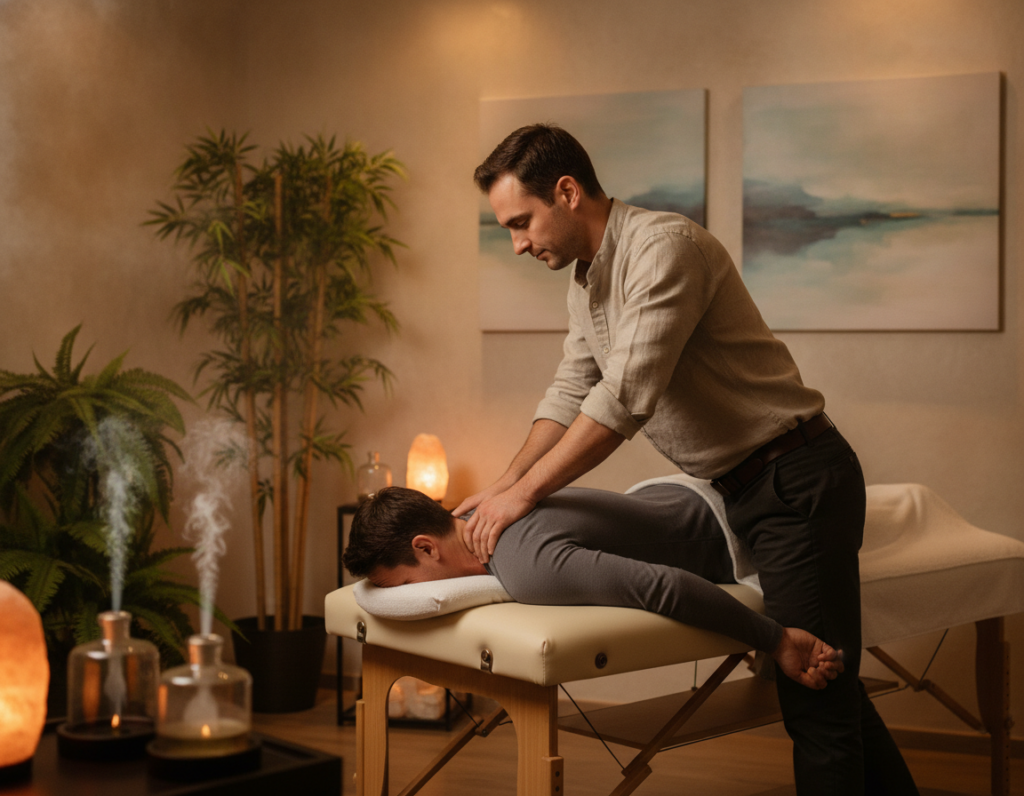
Living with back and neck pain in Ireland can be tough. Many see bodywork as just for spa days. But, it has real clinical benefits.
Dealing with chronic pain?
Book a deep tissue massage at Pepper Leaf Studio, Nenagh
If you have chronic pain, it’s time to change how you think about getting better. A deep tissue massage can really help. It goes to the heart of your pain, not just covering it up.

Choosing evidence-based care can help you take back control of your body. This guide helps you make choices that are good for your long-term health, not just quick fixes.
The Philosophy of Deep Tissue Massage
True healing goes beyond just feeling comfortable. Many people in Ireland choose a relaxation massage when they need something more. Gentle strokes might feel nice, but they don’t fix deep knots that hurt your daily life.

Moving Beyond Relaxation
It’s easy to think a massage is just for feeling good. But a therapeutic massage is different. It works on deeper layers, not just the skin.
Choosing the right massage means seeing your body as a complex system. Deeper treatments target the real cause of pain. This change in thinking is key for lasting relief, not just a quick fix.
Why Chronic Tension Requires a Targeted Approach
Chronic tension is like an anchor, keeping muscles tight all the time. A focused approach is needed for real muscle tension relief. This way, a practitioner can help your body release stress patterns.
We think your time is better spent on treatments that show results. Choosing treatments that work well is more important than just feeling relaxed. A focused plan can help you break free from pain and regain your energy.
Understanding the Mechanics of Deep Tissue Massage
To really fix chronic pain, we need to look deeper than the skin. Many treatments just work on the skin and outer muscles. But deep tissue massage goes deeper. It targets the dense connective tissues that cause long-term pain.

Working Below the Superficial Muscle Layer
This technique aims to reach the hidden layers beneath the outer muscle. Therapists use slow, deep pressure to work with these deeper structures. This is key for lasting physical changes, not just quick fixes.
Working on these deeper layers helps the body realign itself. It’s not just about applying pressure. It’s about using smart pressure to improve blood flow and oxygen in neglected areas.
Breaking Down Adhesions and Chronic Holding Patterns
Our bodies form adhesions over time. These are small, fibrous bands that limit movement and cause pain. By using sports massage and trigger point therapy, therapists can target these knots. This helps break the cycle of muscle tension.
Also, myofascial release keeps the connective tissue around muscles flexible and moist. This method helps dissolve chronic muscle patterns. It lets you move more freely again. Here’s how these techniques differ in their main focus and use.
| Technique | Primary Focus | Best For |
|---|---|---|
| Deep Tissue Massage | Deep connective tissue | Chronic muscle tension |
| Sports Massage | Performance and recovery | Active individuals |
| Trigger Point Therapy | Specific pain knots | Radiating pain relief |
| Myofascial Release | Fascial restrictions | Improving flexibility |
Common Culprits of Modern Back and Neck Pain
Knowing what causes your pain is the first step to feeling better. We spend a lot of time sitting, which can make us tense. By finding out what’s causing your pain, you can start to manage it better.

The Impact of Desk Posture and Sedentary Work
In offices everywhere, sitting at a desk can make us hunch over. Looking at screens for hours puts a lot of pressure on our necks. This can lead to long-term neck pain.
Sitting for long periods makes our muscles stiff. Getting a deep tissue massage can help. It improves blood flow and keeps our muscles flexible.
Commuting and Repetitive Strain Injuries
Our daily commute can also hurt our bodies. Holding onto a steering wheel or leaning over a phone can cause strain. This strain can build up and cause pain.
If your job involves doing the same thing over and over, you need pain management. Early treatment can stop small problems from becoming big ones. This helps prevent long-term pain.
How Stress Manifests in the Upper Back and Shoulders
Stress often shows up in our upper back and shoulders. When we’re stressed, our muscles tighten up. This can make it hard to relax these areas.
A good deep tissue massage can help. It applies the right pressure to release tension. This can make us feel better and more relaxed.
What to Expect During Your Session
When you enter a treatment room for a deep tissue massage, you’re taking a big step. This massage goes deeper than the usual strokes. It’s a way to improve your health and movement for the long run.

Navigating the Intensity of Tight Spots
The therapist will work on areas where you hold tension. You might feel a strong but helpful pressure. This is where trigger point therapy helps to loosen tight spots.
Talk to your therapist during the massage. They will adjust the pressure to keep it right. This feeling of discomfort is short-lived but leads to lasting relief.
The Physiological Response to Deep Pressure
This massage is different from a relaxation massage. It uses deep pressure to fix deeper tissues. As the therapist presses, your muscles relax. You’ll feel a big change in just 24 hours.
Here’s a table showing the main differences between these massages:
| Feature | Relaxation Massage | Deep Tissue Massage |
|---|---|---|
| Primary Goal | Stress reduction | Pain and tension relief |
| Pressure Level | Light to medium | Firm and targeted |
| Technique Focus | Flowing, rhythmic strokes | Trigger point therapy |
| Typical Outcome | Immediate calm | Long-term mobility |
The Timeline of Recovery and Relief
Your journey to wellness doesn’t stop when you leave the massage table. It’s important to know how your body reacts to therapy. This helps you manage pain better and enjoy a more comfortable life.
Pepper Leaf Studio · Nenagh, Co. Tipperary
Ready to book your deep tissue massage in Nenagh?
Targeted therapeutic massage for back pain, neck tension and chronic muscle knots at Pepper Leaf Studio. 60 or 90-minute sessions available — book online 24/7.
Why You Should Expect Relief Within 24 Hours
Most people feel better in 24 hours after a massage. Your body starts to relax and your nervous system calms down. This is the first step to lasting relief from muscle tension.
“Healing is a matter of time, but it is sometimes also a matter of opportunity.”
At first, your muscles get used to feeling relaxed. You might feel lighter or move more easily. This is a good sign that your body is healing well.
Managing Post-Treatment Soreness
It’s normal to feel a bit sore after a deep tissue massage. This means your muscles are fixing and realigning themselves. To help with recovery, try these simple steps:
- Stay hydrated: Drink lots of water to get rid of waste from the session.
- Gentle movement: Light walking or stretching helps prevent stiffness and keeps blood flowing.
- Warmth: A warm bath with Epsom salts can ease tired muscles and help with pain.
- Rest: Give your body time to recover, if you’re feeling very tired after treatment.
By taking care of yourself, you can turn soreness into a helpful part of your recovery. Remember, your therapist is there to help. Don’t be afraid to ask for advice on your recovery.
Frequency Matters: Chronic Tension Versus Acute Issues
Being consistent is key to lasting muscle tension relief. If stress has been a long-term issue, you need a solid plan to fix it. A regular routine helps you build a strong health base.
Developing a Consistent Plan for Long-Term Change
Chronic pain needs more than one session to heal. Think of your recovery as a journey not a quick fix. Regular visits let your therapist adjust their methods as you relax.
Sticking to a routine teaches your body to relax. With time, therapeutic massage helps your muscles stay calm, even when stressed. Most people see the best results with weekly or every two weeks sessions at first.
Addressing Single Acute Episodes
At times, a sudden pain pops up due to a new strain. In these cases, the focus is on quick relief and recovery. You might need just a few sessions to fix the problem and get moving again.
Quick action stops pain from becoming a long-term issue. Early therapeutic massage prevents further injuries. This way, you can quickly get back to your normal life with confidence.
When Deep Tissue Is Not the Right Tool
Deep tissue work is great, but not always the best choice. Listening to your body is key for managing pain or muscle tension. It’s as important to know when to stop as when to start.
Identifying Acute Injury and Active Inflammation
It’s important to tell the difference between muscle tightness and injury. Sudden swelling, heat, or sharp pain means your body is trying to heal. In these cases, a sports massage might be too much.
When your body is inflamed, it needs rest, not rubbing. If it hurts even a little, it’s telling you to slow down. Trying to push through with trigger point therapy can make things worse.
Why You Must Avoid Deep Work During Flare-ups
Stay away from deep tissue when you’re injured or inflamed. Too much pressure can make things worse and slow healing. Let the inflammation calm down first.
If you’re in a flare-up, get advice from a doctor before your massage. They can make sure you’re not making things worse. After the inflammation goes down, you can safely use sports massage or trigger point therapy to fix the tension.
| Condition Type | Recommended Action | Technique to Avoid |
|---|---|---|
| Chronic Tension | Book Deep Tissue | None |
| Acute Inflammation | Consult Physician | Deep Pressure |
| Recent Injury | Rest and Ice | Trigger Point Therapy |
| Muscle Fatigue | Light Recovery | Aggressive Work |
Exploring Alternatives: When to Choose Cupping
When your muscles stay tight, even with regular care, it’s time to try cupping therapy. Manual pressure is great, but sometimes suction is better. Trying new methods can help you find lasting comfort.
How Cupping Complements Your Recovery
Cupping creates a vacuum on the skin, lifting tissues gently. This boosts blood flow to tight areas. It brings oxygen to muscles, helping them heal faster.
Many see cupping as a great match for sports massage. Massage uses pressure, while cupping uses suction. Together, they help muscles relax and recover well.
Shifting Stubborn Tension Where Massage Falls Short
Even skilled hands can’t always reach deep fascia stress. Cupping is great for this. It helps separate stuck tissue, improving movement.
If you’re stuck with your current routine, cupping offers a new way to manage pain. It’s a special myofascial release that standard sports massage can’t match. It helps your body release long-held tension.
Booking Your Path to Pain-Free Living
Booking a professional session is a big step in self-care. It changes how you move through life. You’re making a firm commitment to enjoy movement, not just do it.
Whether you have knots or need to improve your posture, expert help is key. We’re here to help you achieve total physical freedom.
Selecting the Right Session Length: 60-Minute vs 90-Minute
Choosing your session length depends on your needs. A 60-minute session is great for focused relief, like neck or back issues.
For a deeper, more complete therapeutic massage, try our 90-minute session. It gives you extra time to relax and feel fully restored.
“The body is a temple, but only if you take the time to maintain it with care and consistency.”
Integrating Professional Care into Your Routine
Being consistent is key to long-term health. Regular sessions give your body the myofascial release it needs to stay healthy.
Think about these benefits of a regular wellness plan:
- Prevention: Stops tension before it turns into chronic pain.
- Flexibility: Regular myofascial release improves your range of motion.
- Versatility: Adding cupping to your sessions helps with deep issues.
Starting a therapeutic massage routine is more than fixing problems. It’s about building a strong, active life. We’re excited to help you achieve your goals.
Conclusion
Starting to take care of your health begins with today’s choices. Focusing on deep tissue work is key to keeping you mobile. It’s a smart move for your future health.
Understanding your body is the first step to managing pain well. Treating your muscles right lets you stay active. Don’t just look for quick fixes; aim for lasting health.
Being proactive changes how you move every day. Choosing expert care over a simple massage opens up new possibilities. Begin your path to better pain management and enjoy life more fully.
Further Reading
- ↗NICE Guidelines NG59: Low Back Pain and Sciatica — NICE recommends manual therapy — including massage — as a first-line treatment for non-specific low back pain, rather than medication alone.
- ↗NHS: Back Pain Treatments — NHS guidance on evidence-based back pain treatments, including the role of physical therapies and massage in both acute and chronic cases.
- ↗Mayo Clinic: Back Pain — Symptoms and Causes — Comprehensive overview of back pain causes, which symptoms warrant professional treatment, and when therapeutic massage is appropriate.
FAQ
How does a deep tissue massage differ from a standard relaxation massage?
Can this treatment help with stiffness caused by my office job?
What exactly are adhesions, and how does the therapy address them?
Is it normal for a deep tissue session to feel intense?
When should I expect to feel the full benefits of my treatment?
How many sessions will I need to resolve my back and neck pain?
Are there any situations where I should avoid booking a deep tissue massage?
What if my muscle tension is too stubborn for traditional massage alone?
Should I book a 60-minute or 90-minute session?
Massage at Pepper Leaf Studio
Pepper Leaf Studio · Nenagh, Co. Tipperary
Ready to tackle your back and neck pain at Pepper Leaf Studio?