
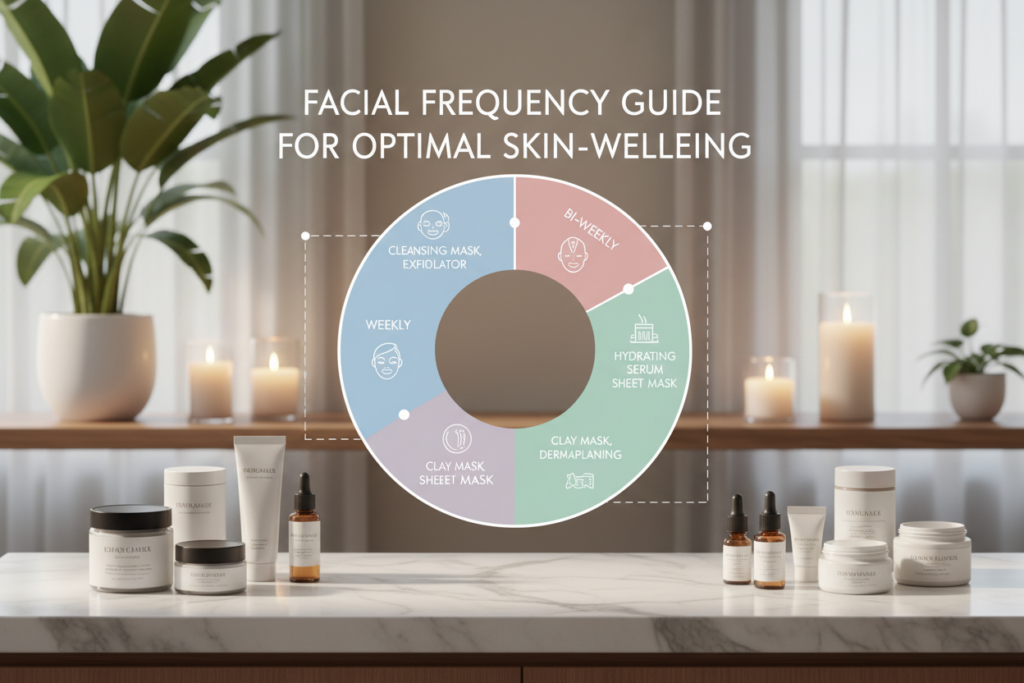
Did you know that 78% of people don’t know how often to get facial treatments? They might not be helping their skin or even hurting it.
It’s easy to get confused. The internet is full of different advice. What works for your friend might not work for you.
Finding the right rhythm for professional skincare sessions can genuinely transform your life. It’s not just about looking good. It’s about feeling good and confident in your own skin.
This guide uses real experiences from across Ireland. It gives you tips to make a schedule that works for you. You’ll see how planning can change your skincare game.
There’s no one-size-fits-all answer. But knowing your skin, lifestyle, and Ireland’s weather can help. Your best skin is possible and within reach.
Key Takeaways
- Treatment frequency varies significantly based on individual skin type, concerns, and environmental factors unique to Ireland
- Professional guidance helps establish a personalised schedule that maximises results whilst protecting skin health
- Strategic timing between sessions can transform not only your complexion but also your confidence and overall wellbeing
- Evidence-based approaches considering age, lifestyle, and specific concerns deliver superior long-term outcomes
- Real Irish case studies demonstrate how proper scheduling creates genuinely life-changing skincare results
Understanding the Science Behind Facial Treatment Frequency

Every glowing face has a science behind it. Knowing how your skin regenerates helps you choose the right facial skincare routine. This knowledge lets you work with your body, not against it.
There’s a science to professional facial timing. Your skin has its own renewal cycle. Knowing this helps you get the most from each treatment.
Your Skin’s Built-In Renewal Schedule
Your skin has its own timeline. In your twenties, it renews every 28 days. New cells form deep down and move up to replace old ones.
But, this changes as you get older. By your forties, it takes longer. For those in their fifties and beyond, it can take up to 50 days.
Dead skin cells can pile up. This makes your skin look dull, clogged, and rough. It also stops skincare from working well.
- Dull, lacklustre complexion that appears tired regardless of how well-rested you feel
- Clogged pores that can lead to blackheads, whiteheads, and breakouts
- Uneven texture that makes skin feel rough to the touch
- Reduced product absorption as skincare ingredients struggle to penetrate the cellular barrier
- Fine lines appearing more prominent due to surface irregularities catching light differently
Knowing your skin’s cycle helps your facial skincare routine. Treatments work better when they match your skin’s natural rhythm.
Professional Enhancement of Natural Processes
Professional treatments are like expert conductors. They boost your skin’s natural renewal. They do more than home care, no matter how good your routine is.
Facials remove dead cells better than daily cleaning. Chemical peels and microdermabrasion reach deeper layers. This reveals the fresh skin beneath.
Extraction by trained aestheticians clears pores safely. This stops future breakouts and lets your skin breathe. Done right, it’s key to clear, healthy skin.
Professional treatments also boost collagen production. Massage increases blood flow, bringing oxygen and nutrients to cells. It also removes waste, helping cells renew and repair.
Perhaps most importantly, facials get active ingredients deeper into your skin. Techniques like iontophoresis and LED therapy push these ingredients past the skin’s barrier. They work from within to improve skin quality over time.
Understanding these processes puts you in control. Aligning professional facial timing with your skin’s cycle is a scientifically-backed transformation journey. Each treatment builds on the last, showing visible results with consistency.
This science guides all decisions on treatment frequency. Working with your biology makes every facial more effective and every dollar spent more valuable.
The Irish Skin Care Landscape: Climate and Facial Needs

Your skin tells Ireland’s weather story, from misty days to strong winds. The island’s climate brings unique challenges. Knowing when to get facials is key to meeting your skin’s needs.
Beauty therapists in Ireland are experts in skin care. They know how the weather affects your skin. This knowledge turns simple treatments into targeted solutions for great results.
How Ireland’s Weather Affects Your Skin Health
The Irish climate is a mix of good and bad for skin. High humidity keeps skin moist, making it look young. But, it also leads to oily skin and breakouts.
Moisture also means more bacteria. This makes deep-cleansing facials a must for clear skin.
Wind from the coast weakens skin’s barrier. Atlantic winds take away natural oils. Knowing when to get facials for barrier repair is vital.
Less sunlight in winter affects skin healing. Vitamin D is needed for skin health. Professional treatments help during the dark months.
Central heating changes indoor air from damp to dry. This stresses skin. Getting facials helps keep skin balanced.
Rain might seem hydrating but can irritate skin. Rainwater has pollutants and different pH. Regular facials fix this and repair weather damage.
| Climate Factor | Skin Impact | Professional Treatment Response | Recommended Frequency |
|---|---|---|---|
| High Humidity | Increased oil production and congestion | Deep cleansing and extraction facials | Every 3-4 weeks |
| Wind Exposure | Compromised barrier and dehydration | Barrier repair and hydration treatments | Monthly maintenance |
| Limited Sunlight | Slower cellular turnover | Exfoliation and renewal facials | Every 4-6 weeks |
| Indoor Heating | Dryness and sensitivity | Intensive hydration protocols | Bi-weekly in winter |
Regional Treatment Approaches Across the Country
Dublin’s clinics use the latest tech for skin care. They tackle pollution and climate challenges. This is perfect for city dwellers.
Cork’s wellness centres focus on lifestyle and diet. They use natural ingredients from the area. This approach improves skin deeply.
Belfast’s clinics offer precise medical treatments. Northern Ireland’s experts combine science and beauty. They know when to get facials based on skin analysis.
Galway’s therapists use gentle, natural treatments. They understand coastal skin challenges. Their methods are good for skin and the planet.
Water hardness varies across Ireland. This affects treatment choices. Local therapists adjust their methods and products. This shows the importance of choosing the right professional.
Across Ireland, you’ll find top-notch care. Skilled professionals share knowledge and develop local expertise. This ensures excellent treatments everywhere, from Donegal to Kerry.
Case Study: Sarah’s Monthly Facial Transformation in Dublin

Real transformation doesn’t happen overnight. But for one Dublin professional, monthly facials changed everything in just twelve weeks. This case study shows how regular treatments can lead to big changes.
Sarah Murphy’s story shows the power of regular skincare. Her journey is a great example for anyone wondering about the benefits of facials.
Initial Skin Concerns and Professional Assessment
Sarah worked in a demanding marketing role in Dublin’s city centre. Stress, long hours, and Ireland’s weather had affected her skin.
She went to a Dublin skin clinic after her usual skincare didn’t work anymore. She was worried about several skin issues that made her feel less confident.
- Dull, lacklustre complexion with uneven texture and tone
- Congested pores in the T-zone area
- Enlarged pores that looked bigger than before
- Early signs of ageing like fine lines around the eyes
- Dehydrated skin with a weak moisture barrier
The aesthetician used advanced technology for a detailed analysis. This tech measured hydration, pore size, and skin texture.
The analysis showed Sarah’s skin was dehydrated and had barrier function issues. It also found irregular texture and congestion that needed professional help.
This initial check was key for tracking progress. Knowing where you start makes celebrating improvements more meaningful.
The Monthly Treatment Schedule Implemented
The aesthetician created a treatment plan for Sarah. It included monthly facials to tackle her skin problems.
Each session was tailored to Sarah’s needs:
- Deep cleansing to clear the skin
- Enzyme exfoliation to gently remove dead skin
- Professional extractions to safely clear pores
- Hydrating treatment masks based on her skin’s condition
- LED light therapy to boost collagen and reduce inflammation
- Targeted serums and moisturisers applied with massage
Choosing monthly facials was strategic. It allowed enough time for skin recovery and renewal.
Regular facials kept Sarah’s skin clear. They prevented dead skin and blocked pores that used to trouble her.
Sarah also followed a home care routine. This included serums and daily SPF, which complemented her clinic treatments.
The aesthetician said professional treatments and home care work together. Together, they lead to amazing results.
Three-Month Results and Inspiring Outcomes
After three months, Sarah’s skin had transformed beyond expectations. The changes were clear and measurable.
The improvements included:
- Dramatically refined pore appearance with 40% reduction in size
- Improved skin texture and radiance noticed by friends and colleagues
- Reduced breakout frequency from weekly to occasional minor blemishes
- Enhanced hydration levels with a restored barrier function
- Better product absorption making her home care routine more effective
- Softened fine lines around the eyes through better hydration
Sarah felt more confident. She no longer needed heavy makeup for professional meetings and social events.
I genuinely didn’t believe such a difference was possible in three months. My monthly facials have become non-negotiable self-care, not an indulgence but an essential part of maintaining my professional confidence and personal wellbeing.
Sarah’s commitment to her treatment schedule proved that consistency is key. Missing appointments or treating facials as occasional luxuries wouldn’t have produced these dramatic results.
Her transformation shows a fundamental truth about skincare success. Regular professional treatments combined with diligent home care create compound benefits that become more impressive over time.
This case study is a powerful reminder of the importance of regular facials. Sarah’s experience proves that the investment in time, money, and consistency pays off in both appearance and confidence.
How Often Facial Treatments Work Best for Different Skin Types

Your skin type is key to finding the best facial treatment schedule. It helps transform your skin and boosts your confidence. Knowing your skin type helps find the right facial frequency for you.
Customising your treatment schedule is a smart investment in your skin’s future. Aligning facials with your skin’s needs maximises each session’s impact. This approach prevents over- or under-treatment, ensuring your skin thrives.
Weekly to Bi-Weekly Success for Oily and Acne-Prone Complexions
If you have oily or acne-prone skin, more frequent treatments can change your life. Weekly to bi-weekly facials control breakouts and excess shine. They provide professional extractions that prevent painful lesions.
Sebum production is constant, and without regular treatments, pores get blocked. Weekly or fortnightly facials keep your skin clean and exfoliated. Home care can’t match this.
Professional aestheticians safely perform extractions, reducing scarring risks. Each session includes antibacterial treatments and peels. This care leads to dramatic improvements in a few months.
This frequency requires more time and money. But, the transformation in your skin and confidence is worth it. Many clients say consistent treatment ends years of breakouts and boosts their self-esteem.
Monthly Maintenance for Dry and Sensitive Complexions
Dry and sensitive skin needs a gentle touch and measured treatments. Monthly facials focus on hydration and barrier repair. More frequent treatments can harm your skin’s barrier, causing sensitivity and irritation.
Monthly treatments give your skin time to recover. Your aesthetician can deliver deep hydration and stimulate circulation. These nourishing facials work well with your daily care.
The skin’s barrier function is its first line of defence, and maintaining its integrity should be the primary goal for sensitive skin types.
This frequency lets your therapist adjust products based on your skin’s response. Sensitive skin reacts unpredictably, so a four-week interval is valuable. Consistent monthly treatments yield beautiful results without over-treatment risks.
Finding Perfect Balance for Combination Complexions
Combination skin is a challenge that needs a thoughtful strategy. When your T-zone is oily but cheeks are dry, finding the right treatment frequency is nuanced. Most combination skin types get the best results with monthly sessions that target specific areas.
Your aesthetician uses different products and methods for different areas. The forehead, nose, and chin get deeper exfoliation, while cheeks and temples get gentle hydration. This customised treatment addresses your skin’s diverse needs in one session.
Some combination skin types need more frequent treatments during seasonal changes. Your therapist might suggest fortnightly facials in winter and monthly in milder months. This flexible approach ensures your skin gets the right care all year.
Anti-Ageing Schedules for Mature Complexions
Mature skin needs more frequent treatments to fight signs of ageing. Bi-weekly to monthly treatments with advanced modalities rejuvenate your skin. As we age, our skin’s cellular turnover slows, so it needs external support.
Regular facials stimulate collagen and improve texture in ways home care can’t. Treatments like microcurrent, radiofrequency, LED light therapy, or chemical peels offer cumulative benefits. Each session builds on the last, improving your skin quality over time.
The best frequency for mature skin often starts with fortnightly treatments for three months to show results. Then, many transition to monthly maintenance to keep their skin looking young. This approach corrects and preserves your skin’s appearance.
| Skin Type | Recommended Frequency | Primary Treatment Focus | Expected Timeline for Results |
|---|---|---|---|
| Oily & Acne-Prone | Weekly to Bi-Weekly | Deep cleansing, extractions, antibacterial treatments | 6-8 weeks for visible improvement |
| Dry & Sensitive | Monthly | Hydration, barrier repair, soothing techniques | 8-12 weeks for optimal barrier restoration |
| Combination | Monthly (flexible) | Zone-specific customisation, balanced approach | 6-10 weeks for visible balance |
| Mature | Bi-Weekly to Monthly | Collagen stimulation, firming, intensive rejuvenation | 12-16 weeks for cumulative anti-ageing results |
Knowing your skin type helps you choose the right treatment frequency. Investing in a schedule that matches your needs unlocks your skin’s full power. The benefits go beyond just looking good—they boost your confidence every morning.
Working with a qualified aesthetician ensures you get tailored advice. They consider your skin type, lifestyle, budget, and goals to create a realistic plan. This approach makes achieving beautiful skin an inspiring journey, not a daunting task.
Expert Insights from Leading Irish Aestheticians
In Ireland, beauty therapists have seen big changes in skin health. They use their years of experience to guide on how often to get facials. Their advice is key for anyone wanting to improve their skin.
Irish skin care experts say professional facial timing is very important. They’ve worked with many clients over time. They know what works best for scheduling treatments.
From big cities to quiet coastal areas, Irish skin care experts share a common goal. They want to teach clients, not just treat them. They help find the best way to schedule treatments for better skin.
Professional Recommendations from Cork Skin Clinics
Cork’s skin clinics are known for their great care. Aestheticians there say consistency is more important than intensity in facial treatments. They’ve seen great results from regular, spaced-out appointments, not just one-off intense sessions.
Many new clients expect big changes right away. But this can lead to disappointment and giving up too soon.
Professional facial timing builds up over time, say Cork experts. Each treatment adds to the last, improving the skin more and more. The skin does best with regular care, not just now and then.
Stopping treatments too soon is a big mistake, Cork experts warn. Visible improvements usually come after three to four sessions. Stopping then means missing out on the biggest changes.
- Treatment benefits grow with each session
- Being consistent is better than being intense
- Everyone needs a treatment plan that’s just right for them
- Regular visits lead to lasting results, not just quick fixes
Cork aestheticians think about many things when planning treatments. They consider how fast the skin heals, lifestyle, and budget. They know timing can’t be the same for everyone.
They look at how quickly each client’s skin recovers. Some skin heals faster, others need more time. This helps them plan the best schedule for each person.
They also think about money. They help clients get the most from their treatments within their budget. This might mean mixing professional treatments with good home care to make the most of each visit.
Galway Beauty Therapists Share Their Expertise
Galway beauty therapists see facial treatments as part of a bigger picture. They believe in professional facial timing as part of a healthy lifestyle. They mix old techniques with new ideas for the best results.
They teach clients about the links between many things. How often to get treatments, home care, diet, stress, and sleep all matter. They help clients see how these things work together.
Galway experts say clients who take a holistic approach do better. Treatments are important, but daily habits are key. They help keep the skin looking good between visits.
Professional treatments are the spark, but your daily routine provides the fuel that keeps your skin transformation burning bright.
Galway therapists often meet clients who want quick fixes without thinking about health. They gently guide them towards lasting practices. True skin health comes from combining professional help with self-care.
They adjust treatment plans with the seasons and life changes. Ireland’s weather changes how the skin reacts. They make sure treatments fit the changing weather.
Cork and Galway share a deep care for clients’ long-term health. They see themselves as health experts, not just service providers. They measure success by lasting improvements that boost confidence and quality of life.
Irish aestheticians show a deep commitment to their clients. They celebrate small wins and adjust plans as needed. They turn facial treatments into a key part of caring for the skin.
Case Study: Managing Acne with Strategic Facial Frequency in Belfast
James’s story shows how the right facial frequency can clear your skin. He had severe acne but found relief with expert help. His journey proves that with the right treatment, you can get the clear skin you want.
Chronic acne affects more than your skin. It impacts your work, social life, and mental health. James’s story from Belfast shows how the right aesthetician and treatment plan can help.
James’s experience offers hope and practical advice. His journey shows that finding the right approach can lead to real change.
From Persistent Breakouts to Professional Intervention
James, a 28-year-old software developer, had acne for years. He tried many products and treatments but nothing worked. His skin kept breaking out, making him feel self-conscious.
Acne affected James’s life in many ways. He avoided social events and felt unsure in meetings. He felt his acne defined him, creating barriers in his life.
After years of trying, James saw a specialist in Belfast. They did a skin analysis and found his skin needed intensive professional intervention. He needed regular deep cleans, expert extractions, and antibacterial treatments. A plan for regular facial appointments was key.
The Strategic Bi-Weekly Protocol
James’s aesthetician created a bi-weekly treatment plan. This plan alternated between deep cleansing and recovery. It prevented over-treatment while keeping progress steady.
The first appointment focused on deep cleansing. It included salicylic acid, high-frequency therapy, and extractions. The aesthetician’s skill ensured these treatments were effective without harming his skin.
The second appointment focused on healing. It included soothing masks, enzyme treatments, and LED blue light therapy. This balanced approach helped James’s skin recover and heal.
| Treatment Week | Primary Focus | Key Procedures | Expected Outcomes |
|---|---|---|---|
| Week 1 | Deep Purification | Salicylic acid, extractions, high-frequency therapy | Clear blocked pores, reduce active breakouts |
| Week 3 | Healing & Calming | Soothing masks, enzyme treatment, LED therapy | Reduce inflammation, support recovery |
| Week 5 | Deep Purification | Advanced exfoliation, targeted extractions | Maintain clarity, prevent new breakouts |
| Week 7 | Healing & Calming | Barrier repair, hydration therapy | Strengthen skin resilience, fade scarring |
Between regular facial appointments, James followed a home care routine. He used a gentle cleanser, niacinamide serum, and a moisturiser for acne-prone skin. This routine helped maintain his results and support his skin’s healing.
Remarkable Transformation and Renewed Confidence
After six months, James saw an 80% reduction in active breakouts. His skin was clearer, with only occasional minor blemishes. The hyperpigmentation that had plagued him for years faded, revealing even-toned skin.
James’s life changed dramatically. He felt comfortable in social situations for the first time in over a decade. He volunteered to present at conferences, engaged more confidently with colleagues, and noticed improvements in his personal relationships. His transformation touched every area of his life.
His skin texture improved, with reduced scarring and a smoother surface. The combination of professional treatments and consistent home care created lasting results. James’s aesthetician gradually reduced his appointments to monthly maintenance sessions once his skin stabilised, showing that intensive protocols can transition to more sustainable schedules.
Committing to regular professional treatments was challenging at first—both financially and time-wise. But looking back, it was absolutely the best investment I ever made in myself. My only regret is not seeking professional help sooner.
James’s journey shows that severe acne can be overcome with the right professional guidance and commitment to a strategic treatment schedule. His experience demonstrates that finding the correct facial frequency for your specific condition, working with a qualified aesthetician, and maintaining consistency can deliver transformation that seemed impossible. For anyone struggling with persistent skin concerns, this case study offers genuine hope that clear, confident skin is within reach when you commit to professional care.
Seasonal Facial Schedules for Optimal Irish Skin Health
Changing your facial treatment schedule with Ireland’s seasons can greatly improve your skin. Your skin changes with the weather, needing different things at different times. By matching your treatments to the seasons, you help your skin more and avoid damage.
Good skincare is about being flexible, not random. Adjusting your treatments for each season shows you really care about your skin’s health.
Winter Intensive Care: Combating Harsh Weather Conditions
Winter in Ireland is tough on your skin. Cold winds, rain, and dry air from heaters all take a toll. Your skin loses moisture and oils.
From November to February, you might need to see your aesthetician more often. If you usually go every month, try going every two weeks in winter. This helps your skin fight off harsh weather better.
Winter facials focus on keeping your skin hydrated and strong. They help your skin deal with cold and wind. Your aesthetician will use richer products and gentle exfoliation.
Your aesthetician will use richer, more nourishing products in winter. They will also do gentle exfoliation to avoid making your skin more sensitive.
Lymphatic drainage is also key in winter. It helps with puffiness and dullness caused by cold weather. This keeps your skin looking healthy, even on grey days.
Good winter care helps your skin all year. It protects your skin when it’s most vulnerable, preventing damage later.
Summer Maintenance: Lighter Touch Approach
When it gets warmer, your skin’s needs change. More sun, heat, and time outside mean different problems. You need a new plan for your skin.
In summer, you might not need to see your aesthetician as often. Many people find monthly visits work well from June to August. But it depends on your skin and lifestyle.
Summer facials focus on dealing with warm-weather issues. They clean your pores and prevent breakouts. Your aesthetician will make sure your skin stays clear.
Summer is also the time to tackle sun damage and dark spots. Even with sunscreen, Irish summers can cause skin problems. Treatments for these issues are very effective in summer.
Even though hydration is key, summer treatments are lighter. You’ll use serums and gels that keep your skin hydrated without feeling heavy.
Cooling treatments are also important in summer. They help your skin recover from sun and heat damage. This prevents long-term problems.
Transition Seasons: Adapting Your Treatment Routine
Spring and autumn are great times to check in with your aesthetician. Your skin might be acting differently as the weather changes. It’s a good time to reassess your skincare plan.
From March to May and September to October, have extra consultations. Talk about how your skin did last season and what you can do better this time.
You might need to adjust how often you see your aesthetician during these times. Some people need more help, while others find they can get by with less frequent visits.
These seasons are also a good time to try new treatments or change your skincare routine at home. Your skin is more open to new things during these times.
Adapting to the seasons shows you’re smart about skincare. A facial treatment schedule that changes with the weather is better than a fixed one. It shows you really understand your skin and what it needs.
This flexible approach is key to great skin. It means working with nature, not against it. It shows you’re truly committed to your skin’s health.
Age-Specific Facial Treatment Frequency Guidelines
Knowing how often to get facials based on your age helps you choose the right skincare. Your skin changes a lot as you get older. Finding the right treatment schedule helps you get the best care without spending too much or too little.
Getting facials that fit your age is all about personal care. Whether you’re young and starting out or older and looking for a big change, there’s a treatment plan for you. It will make your skin look great.
Twenty-Somethings: Building a Preventative Care Foundation
In your twenties, you focus on preventing problems, not fixing them. You should get facials about four times a year. This is a good start if you don’t have any big skin issues.
This early focus on skincare helps you for years to come. Your aesthetician will teach you how to clean your skin right, pick the best products, and protect it from the sun. This stops early signs of ageing.
Deep cleans and extractions help with breakouts and keep your pores open. These treatments work with your home care to catch problems early. This way, they don’t get worse.
Investing in your skin in your twenties pays off big time in later years.
If you have acne, breakouts, or sun damage, you might need to see your aesthetician more often. Going every month helps with these issues. It also keeps up with the basics of skincare for your age.
Starting a relationship with a skincare expert in your twenties is smart. They get to know your skin well. This means they can give you better advice as you get older.
Thirty to Forty: Targeting Early Signs of Ageing
In your thirties and forties, your focus and treatment schedule change. Most people need to get facials about once a month. This means you’ll get about twelve facials a year.
By this age, you might start to see fine lines, lose some elasticity, and notice sun damage. Getting facials every month helps tackle these issues before they get worse.
You have more options for treatments now. Microneedling boosts collagen, chemical peels fix uneven skin tone, and special serums get deep into your skin. These treatments help a lot.
Many people in this age group are busy with work and family. It’s easy to think facials are just a luxury. But they’re really important for your skin.
Think of facials as a way to take care of your biggest organ. They help prevent bigger problems later. They also keep you looking good and feeling confident.
Stress, not enough sleep, and pollution all make your skin age faster. Facials help fight these effects. They keep your skin looking younger than it is.
Fifty Plus: Intensive Rejuvenation Schedules That Deliver
For those fifty and older, how often to get facials depends on what you want and your skin. Many people get facials every two weeks to once a month. This means you could get twelve to twenty-four facials a year.
Now, you can try more advanced treatments. Radiofrequency, ultrasound, and deep chemical peels can really improve your skin. They make it look and feel better.
Getting facials regularly at this age can really change your skin. Many people get their best skin in their fifties, sixties, and beyond. It’s all about the right treatments.
Going for facials every two weeks gives you better results than just one session. Each visit builds on the last, making your skin look better and better over time.
Try mixing different treatments to get the best results:
- Deep cleansing facials to keep your skin healthy and clear
- Collagen-stimulating treatments like microneedling or radiofrequency
- Brightening peels to fix age spots and uneven skin tone
- Hydrating treatments to fight dryness and improve texture
It’s never too late to make your skin look and feel better. Many people think you can’t improve your skin after a certain age. But with regular facials, you can see big changes, no matter when you start.
Working with an expert who knows about mature skin is key. They can create a plan that fits your needs. This way, you get the best results without too much downtime.
Seeing your skin improve can do more than just make you look good. It can make you feel more confident and excited about how you look. This can be a big change for many people.
Case Study: Patricia’s Anti-Ageing Success Through Consistent Treatments
Patricia’s story shows how dedication can change lives. She went to facials every two weeks for a year. This proves that regular care can make a big difference, no matter when you start.
Patricia’s journey shows the power of being consistent. Her skin got better, and she felt more confident. This shows that it’s never too late to take care of your skin.
A Fresh Start in Limerick
Patricia, a 52-year-old teacher from Limerick, had always put others first. She never made time for her skin. Sun protection was not a priority during family holidays.
As retirement came, Patricia decided to focus on herself. She started with her skin.
At a Limerick aesthetics clinic, Patricia saw the damage years of neglect had caused. Her skin had sun damage, wrinkles, and lost firmness. It looked older than she felt.
Patricia was determined to change. Her aesthetician helped her make a plan to improve her skin.
I felt invisible before. Now, I see myself again. It’s not because others notice me more, but because I do.
The Fortnightly Protocol That Changed Everything
Patricia went to facials every two weeks. This schedule was chosen to help her skin without being too harsh. It worked well for her mature skin.
Her treatments included microneedling, LED light therapy, and chemical peels. These helped her skin in many ways. She also used special serums and moisturisers at home.
Her home care routine was key to her success. She used vitamin C, retinol, and hyaluronic acid every day. This helped her skin look better between treatments.
Patricia’s facials were more than just skincare. They were a chance for her to take care of herself.
| Treatment Component | Frequency | Primary Benefit | Supporting Role |
|---|---|---|---|
| Microneedling | Monthly | Collagen stimulation | Wrinkle reduction and firmness |
| Chemical Peels | Every 6 weeks | Pigmentation correction | Even skin tone and texture |
| LED Therapy | Fortnightly | Cellular healing | Reduced inflammation and redness |
| Hydrating Treatments | Fortnightly | Deep moisture infusion | Plumpness and radiance |
| Home Retinoid Use | Nightly | Cellular turnover | Texture refinement and prevention |
One Year Later: Transformation and Renewed Confidence
After a year, Patricia’s skin looked amazing. Her fine lines and wrinkles had improved a lot. Her skin was firmer and looked younger.
Her skin’s health had improved a lot. The sun damage had faded, and her skin looked even and bright. Her jawline was firmer, and her cheeks looked fuller.
Patricia felt more confident than ever. She saw herself in a new light. Her facials had become a special time for self-care.
Her friends and colleagues noticed the change. They asked her what her secret was. Patricia told them about her commitment to her skin and herself.
Patricia felt ready for retirement. She felt confident and excited for the future. Her skin showed that it’s never too late to make a change.
Patricia’s story teaches us that the best anti-ageing treatment is consistency. It’s about showing up for yourself and trusting the process. Change is always possible, both inside and out.
Budget-Friendly Approaches to Regular Facial Appointments
Getting regular facials can be affordable in Irish clinics. Many think it’s only for the rich. But Ireland offers many budget-friendly options.
Planning ahead makes facials affordable. Your skin needs regular care. There are many ways to do this without spending too much.
Package Deals and Membership Options in Irish Clinics
Irish clinics know regular facials are best. They offer special prices to help you keep up. This makes monthly facials easier to afford.
Buying in bulk saves money. You can get discounts of 15% to 20% for booking many sessions at once. This makes each session cheaper and keeps your skin healthy.
Membership programs are also great. They cost a bit each month but include a facial and more. You get discounts on other services and products too.
These programs help you stick to your schedule. You feel more committed to your appointments. It’s easier to keep up with your skincare routine.
Here are some benefits of Irish clinic memberships:
- One monthly facial included in your membership fee
- 15-25% discount on additional treatments and services
- 10-20% savings on professional skincare products
- Priority booking during popular time slots
- Complimentary upgrades or enhanced treatments periodically
- Flexible terms allowing pauses for holidays or financial changes
Combining Professional Treatments with Home Care
Professional treatments and home care work well together. Your aesthetician will suggest products that fit your skin. This helps you save money and get better results.
Using professional products at home can make your facials go further. You might not need to go as often. This keeps your skin healthy without breaking the bank.
Getting facials every six weeks can be a good plan. This is if you take good care of your skin at home. It’s a way to save money while keeping your skin looking great.
Your aesthetician can create a home care plan for you. This plan will work with your professional treatments. It makes sure you’re using your products wisely.
Good home care has many benefits:
- Extended treatment results: Professional products keep your skin looking good longer
- Reduced treatment frequency needs: Caring for your skin at home means you might not need facials as often
- Prevention of concerns: Regular home care stops problems before they start
- Targeted solutions: Products can tackle specific issues between your facials
Prioritising Treatments for Maximum Impact on Your Budget
Choosing the right treatments is key to saving money. Not every facial is the same. Finding the right balance is important for your budget and skin.
Start with more frequent treatments at first. This could be monthly facials for a few months. Then, you can slow down and save money.
Try different treatments to save money. You could have advanced treatments like microneedling or chemical peels less often. This way, you get the best of both worlds.
Choose treatments based on what you need. If you’re worried about aging, focus on treatments that boost collagen. If you just want to maintain your skin, go for regular facials.
Plan your treatments around important events. This way, you look your best when it counts. It makes your skincare routine more meaningful.
Many people spend less on facials than on other things. Treatments can be as affordable as eating out or buying coffee. It’s a smart investment in your health and confidence.
Regular facials do more than just make you look good. They improve your health, confidence, and prevent bigger problems later. It’s a smart choice for your future.
Getting regular facials isn’t just for the rich. With smart planning and affordable options, anyone can take care of their skin. Start your journey to healthy, glowing skin today.
Warning Signs You’re Getting Facials Too Frequently or Infrequently
Every skin type has its own needs. Learning what yours needs is key to success. Your skin talks to you, showing if you’re doing too much or too little.
Finding the right facial frequency is not about strict rules. It’s about knowing how your skin reacts between visits. This knowledge helps you get the best results, not just waste time and money.
Recognising When Treatment Becomes Excessive
Too much enthusiasm can lead to overdoing it. Wanting quick results can push you too hard. More treatments don’t always mean better results. Going too far can undo all your hard work.
Your skin will tell you when you’re doing too much. Look out for these signs:
- Increased sensitivity and irritation: Products that used to be fine now sting or cause discomfort
- Compromised skin barrier: Skin that’s always red, shows more blood vessels, or feels raw
- Thinning appearance: Skin bruises easily or looks too thin, mainly in sensitive areas
- Paradoxical breakouts: You get more spots or reactions, even with treatments meant to clear your skin
- Incomplete recovery: Skin that never fully recovers between treatments, always looks stressed
Letting your skin have time to heal is important. Too much treatment can slow down results and harm your skin. Respecting your skin’s natural cycles shows you understand skincare, not just rush through it.
In Ireland, many think daily facials will fix everything fast. But, experts help find a balance. They make sure you get the best results without overdoing it.
Missing Opportunities Through Insufficient Treatment
Not getting facials often enough is also a problem. Your skin needs regular care to really change. Consistent support helps keep improvements going.
Under-treatment shows in different ways. It means your current schedule isn’t enough:
- Persistent concerns: Issues like clogged pores, dull skin, or uneven texture that barely improve
- Regression between sessions: Improvements that fade away before your next appointment
- Accumulating problems: Blackheads, dry patches, or other issues that get worse despite occasional treatments
- Plateaued progress: Results that stop improving, no matter how good the treatments are
- Starting over repeatedly: Every facial feels like starting from scratch, not building on previous ones
Regular facials are like an investment that grows over time. Irregular appointments, no matter how good, can’t match the results of regular care. Your skin gets better with each session, leading to faster, more noticeable improvements.
In Ireland, many see facials as occasional treats, not as part of their skincare routine. Seeing them as essential maintenance can lead to the changes they want.
Developing Your Skin’s Communication Skills
Your skin has its own way of talking. Learning to listen to it makes you more than just a treatment recipient. It turns you into an active partner in your skincare journey.
Working with experienced aestheticians helps you understand your skin better. They notice small changes and help adjust your schedule as needed. This teamwork ensures your treatments stay in tune with your skin’s needs.
Look for these signs that your schedule is working:
- Skin that looks healthier between visits, not just good and bad
- Gradual improvement in skin concerns without new problems
- Comfortable handling of treatments without too much downtime or sensitivity
- Keeping improvements without complete regression between sessions
- Feeling more confident in your skin’s health and appearance
Your skin’s feedback is more valuable than any schedule. Some weeks might need more care due to stress or changes. Other times, your skin can handle more space and keep improving.
| Indicator | Over-Treatment Signs | Under-Treatment Signs | Optimal Frequency Signs |
|---|---|---|---|
| Skin Sensitivity | Increased reactivity and persistent irritation | Dullness and sluggish response to products | Balanced tolerance with healthy glow |
| Recovery Time | Incomplete healing between sessions | Complete regression of improvements | Maintenance of benefits whilst continuing progress |
| Skin Concerns | New problems emerging despite treatment | Persistent issues that never fully resolve | Gradual, consistent improvement |
| Overall Appearance | Thin, stressed, compromised barrier | Accumulating congestion and texture issues | Increasing resilience and vitality |
This body awareness is true empowerment. You learn to know when to stick to your schedule, when to push harder, and when to give your skin more time. These insights are key to a lifelong skincare journey, adapting as you grow and change.
Irish weather often means you need to adjust your skincare routine. Knowing when to change can keep your skin healthy all year. This flexibility is essential for thriving in different seasons.
Creating Your Personalised Facial Treatment Schedule for Success
Success with facial treatments comes from careful planning and a commitment to your skin’s health. You now know about skin science and how often to get treatments. This knowledge helps you make a facial treatment schedule that works for you.
This approach makes your treatments more than just appointments. It’s a journey to your best skin. You’ll create a plan that fits your needs and changes as your skin does.
Building a True Partnership with Your Skin Professional
Finding the right aesthetician is key to a successful treatment plan. They should educate and listen to you. The right professional makes commitment to regular treatments feel supportive.
At your first meeting, you’re looking for a partner in your skin health journey. You’ll talk about your goals, timelines, and how often to get treatments. This depends on your skin type, concerns, age, lifestyle, and budget.
To find the right aesthetician, ask these important questions about when to get facials:
- What specific treatment frequency do you recommend for my skin type and concerns, and why? Good practitioners explain their reasons.
- How will we measure progress and determine if adjustments are needed? This shows they care about results.
- What home care routine will support the professional treatments? Good plans include both clinic and home care.
- How do seasonal changes affect my treatment schedule? This shows they understand Ireland’s climate.
- What package options or payment plans make regular treatments more accessible? Being open about costs builds trust.
Look for green flags like thorough skin assessments and explanations of treatments. They should respect your concerns and budget. Good practitioners see your relationship as a long-term partnership.
Be wary of those who push too many treatments without reason. They should listen to your questions and concerns. Your skin journey deserves a professional who cares about your goals and wellbeing.
Monitoring Your Journey and Adapting Your Approach
Creating your facial treatment schedule is just the start. Tracking progress and being flexible ensures success. What works now might change as you age or your skin evolves.
Keeping records helps you see what works best for your skin. This approach removes guesswork and boosts confidence in your plan.
Here are ways to track your skin’s response:
- Progress photography: Take photos in natural daylight every two weeks.
- Skin diary: Note changes and how you feel.
- Treatment records: Document treatments and how your skin reacts.
- Lifestyle correlation: Track how stress, diet, or medication affects your skin.
Have detailed reviews with your aesthetician every three to six months. This ensures your plan stays effective. Reviewing progress keeps your treatments fresh and relevant.
Skin health is a journey, not a destination. The most successful clients adapt and stay curious.
Life changes and so should your treatment plan. You might need more or fewer treatments as your skin and life evolve. Maybe you need more treatments in winter or less in summer.
Understanding when to get facials shows you’re in tune with your skin. If treatments aren’t working, you might need to change. Or if your skin is always sensitive, you might be overdoing it.
You have the power to transform your skin. With knowledge and a skilled professional, you can create a facial treatment schedule that works. Your commitment will reward you with healthier skin and confidence.
Conclusion
Figuring out how often to get facial treatments depends on your skin. Sarah, James, and Patricia in Ireland show us how it can change lives. They found great results by going regularly.
Your skin type, worries, age, and the season affect how often you should get treatments. Going often gives better results than just doing it sometimes. Getting help from experts means your plan can change as your skin does.
Starting a facial routine takes time and money. But it’s a smart choice for your health. Good skin is for everyone who cares for it.
Start now. Find a good Irish aesthetician and book a meeting. Look for deals that make it easier to keep up with your routine. See it as a way to care for yourself, not just to look good.
Getting the right facial treatment schedule is all about what’s best for you. Your new skin is waiting for you.

