
Most people discover cupping therapy when they are in pain. They arrive at Pepper Leaf Studio in Nenagh with a tight back, a stiff neck, or tension that has built up to the point where it’s difficult to ignore. They leave after a session feeling significantly better. And then — this is the common pattern — they wait until the tension returns to its previous level before booking again.
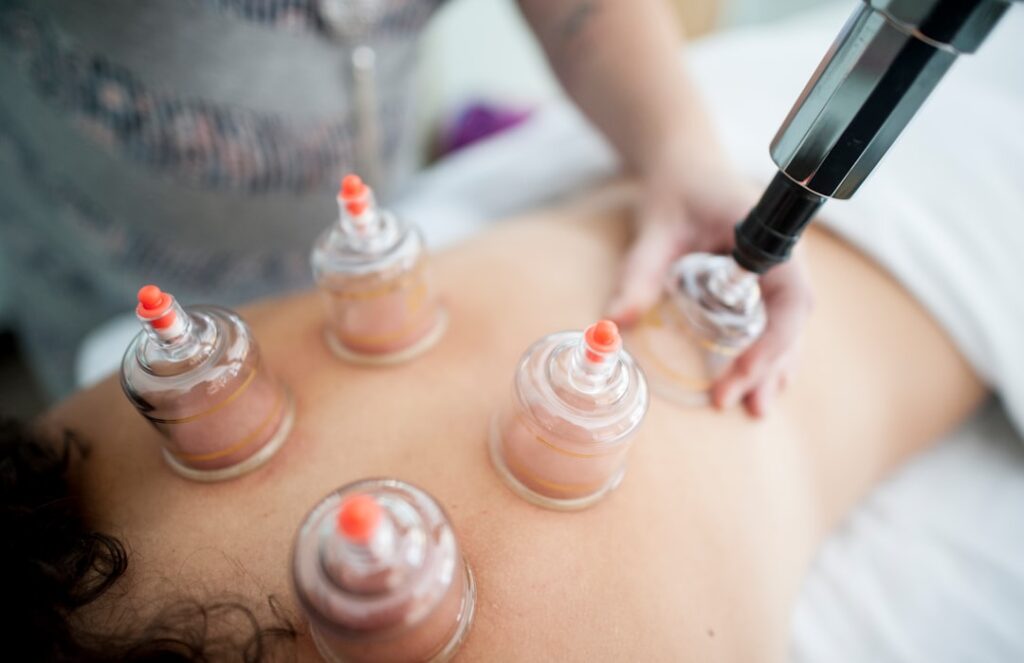
There is a better approach. Cupping therapy is most effective when it’s used proactively as part of a regular wellness routine rather than reactively as a pain management measure. This article explains why — and what that approach actually looks like in practice.
Add Cupping Therapy to your wellness routine
Pepper Leaf Studio, Nenagh — book a 1-hour or 1.5-hour session at a time that works for you. View Cupping Therapy and book →
The Difference Between Reactive and Preventive Cupping
When you book cupping because you are in significant discomfort, the treatment is starting from a poor baseline. The fascia is significantly restricted, blood flow to the affected areas is reduced, and the muscle tissue has adapted to a state of sustained tension. A single session will produce relief, but the tissue still has a strong tendency to return to its tight, restricted state — because that has become its default condition after months or years of sustained tension.
Regular cupping sessions — before pain reaches this level — maintain the tissue in a healthier baseline state. Each session addresses the incremental tension that builds up over days and weeks from work, posture, stress, and physical activity. Because the starting point is better, each session goes further and lasts longer. Over time, the tissue genuinely becomes less prone to restriction and the intervals between sessions can increase as the baseline improves.
What Regular Cupping Actually Does to Your Body
When cupping is part of a consistent routine rather than an occasional emergency measure, the cumulative effects extend beyond simple pain relief:
- Improved fascial health: Regular decompression prevents fascial adhesions from thickening and re-establishing between sessions, keeping the connective tissue more supple and responsive over time.
- Better circulation: Repeated increases in local blood flow to the treated areas improve the tissue’s baseline circulation, supporting faster recovery from physical effort and better overall tissue health.
- Nervous system regulation: Regular activation of the parasympathetic nervous system during cupping sessions supports the body’s overall stress response over time — making it easier for the body to shift into rest and recovery mode when needed.
- Greater body awareness: Clients who receive regular treatments typically become more attuned to where they hold tension and what triggers it — information that is valuable both for managing their wellness and for getting more from each session.
Want to combine cupping with other treatments?
Our Deep Tissue Massage and Lymphatic Drainage sessions complement cupping effectively — ask your therapist about combining. Explore Deep Tissue Massage →
How to Integrate Cupping into Your Routine at Pepper Leaf Studio
The right frequency depends on your lifestyle, the level of physical demand you’re under, and how your body responds to the treatment. As a general guide:
- Monthly maintenance suits most people in moderately demanding jobs or lifestyles who want to prevent tension accumulation without weekly commitment.
- Fortnightly sessions are appropriate during periods of higher stress, increased physical activity, or when recovering from an injury or period of sustained tension.
- Weekly sessions are sometimes used during an initial intensive period of a few weeks to establish a better tissue baseline before dropping to a maintenance frequency.
Your therapist at Pepper Leaf Studio will advise on the right frequency based on what they find during your first session and how your body responds to treatment.
Cupping also integrates well with other treatments in our menu. Many clients alternate between cupping and Deep Tissue Massage — using cupping for fascial maintenance and deep tissue work when they need more targeted muscle treatment. Lymphatic Drainage is another popular complement, supporting the body’s clearance of the waste products mobilised during cupping. Our massage therapy guide covers all available massage treatments at Pepper Leaf Studio and can help you design a routine that covers all your needs.
Practical Habits That Support Your Cupping Sessions
Getting the most from regular cupping means looking after the tissue between sessions as well as during them:
- Hydration: Drinking adequate water in the 24 hours before and after each session supports the tissue’s response to treatment and aids the clearance of metabolic waste products mobilised by the cupping.
- Movement: Gentle movement after a session — a walk, light stretching — helps the treated tissue settle and supports blood flow to the area.
- Heat avoidance: Skip saunas, hot baths, and intense exercise for 24 hours after cupping to allow the tissue to recover from the treatment stimulus.
- Awareness of posture and tension patterns: Noting what triggers your tension — desk setup, stress, sleep position — allows you to address the cause rather than just the symptom.
Frequently Asked Questions
Can I continue other exercise or physical activity alongside a cupping routine?
Yes. Regular exercise and cupping are complementary. We recommend avoiding intense training on the same day as a cupping session, but normal activity on subsequent days is fine and beneficial.
Is cupping suitable for people who have never had any massage before?
Yes. Cupping is suitable for beginners. The sensation is different from massage — a pulling or lifting feeling rather than pressure — and most people adapt to it quickly. Your therapist will start gently and build the intensity based on your comfort and how your tissue responds.
How do I know if cupping is working?
The most reliable sign is that the intensity and frequency of your tension decreases over a course of regular sessions. Other indicators include fewer headaches, improved sleep, greater mobility, and a general sense of physical ease. The marks left by cupping often become lighter with each session as the tissue health improves — a practical visual indicator of progress.
- Cupping therapy: benefits, types and what to expect — Healthline
- Cupping: what the science says — National Center for Complementary and Integrative Health
Related Treatments at Pepper Leaf Studio, Nenagh
- Cupping Therapy (1 Hour) — ideal for monthly maintenance sessions
- Cupping Therapy (1.5 Hours) — longer session for more comprehensive coverage
- Deep Tissue Massage — pairs well with cupping for a complete maintenance routine
- Holistic Relaxing Massage — a calming complement between cupping sessions
Keep Reading
- Cupping Therapy in Nenagh: Benefits for Stress, Tension, and Recovery
- How Cupping Therapy Helps With Back Pain When Nothing Else Seems to Work
- Massage Therapy Nenagh: Which Massage Is Right for You?
Further Reading
- ↗Mayo Clinic: Cupping Therapy — What the clinical evidence says about cupping for pain relief, muscle tension and wellbeing.
- ↗NHS: Five Steps to Mental Wellbeing — NHS-backed steps for maintaining physical and mental health — including the role of bodywork and regular therapeutic treatment.
- ↗Healthline: Cupping Therapy Benefits — How regular cupping sessions affect muscle recovery, circulation and stress levels over time.
Start your cupping routine at Pepper Leaf Studio, Nenagh
Book your first session online and let your therapist help design the right maintenance schedule for your body. View Cupping Therapy and book →